For exceptionally lightweight, thin CFRP laminates with a premium visible-carbon finish
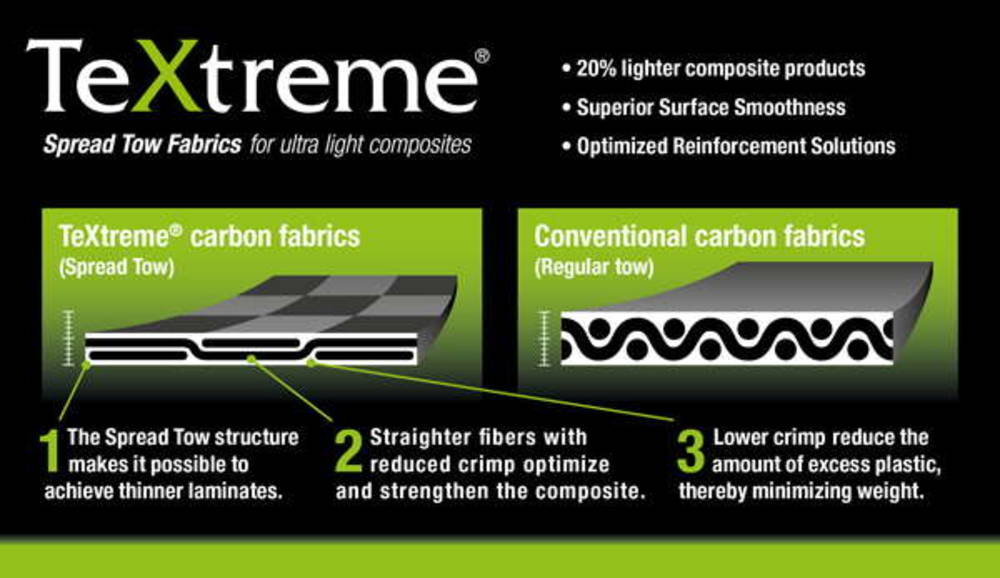
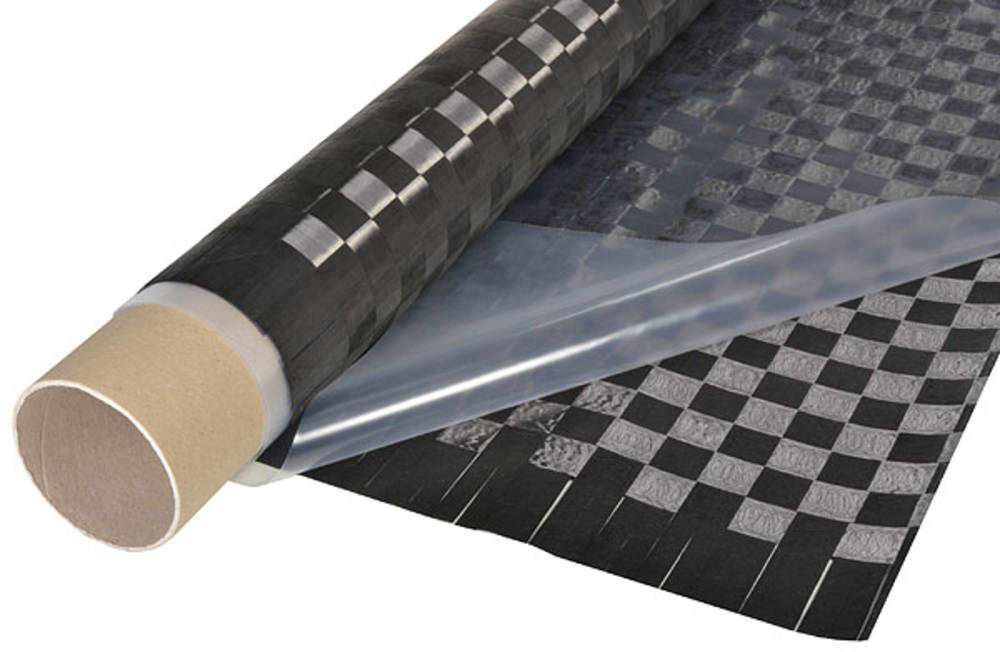
TeXtreme® 80 g/m² carbon fibre fabric uses spread-tow technology: flat, 20 mm wide carbon fibre tapes reduce fibre crimp and enable particularly thin, weight-efficient laminates with fewer resin-rich areas. In suitably optimised designs, weight reductions of 20% or more compared with conventional carbon fibre fabrics are possible.
At a fibre volume fraction of 35%, one ply has a calculated laminate thickness of just approx. 0.13 mm and a laminate areal weight of 176 g/m², excluding the additional binder in both cases.
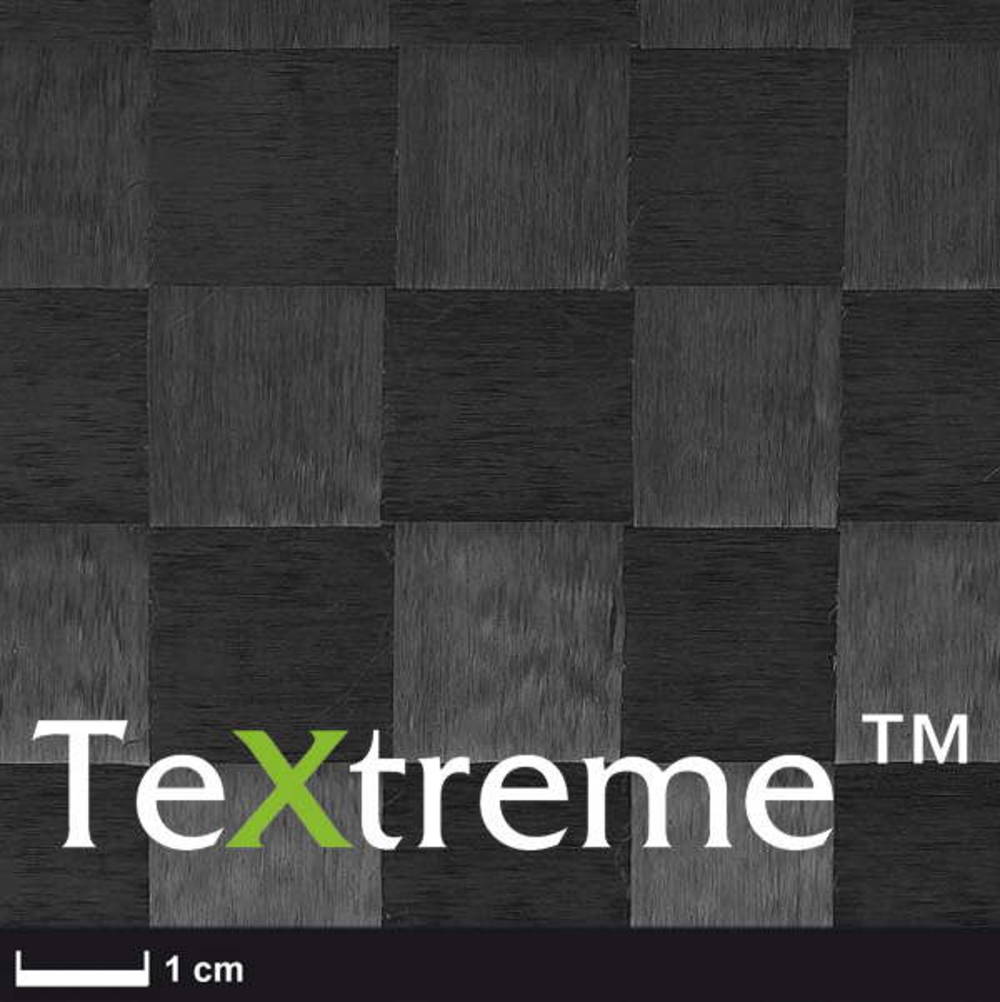
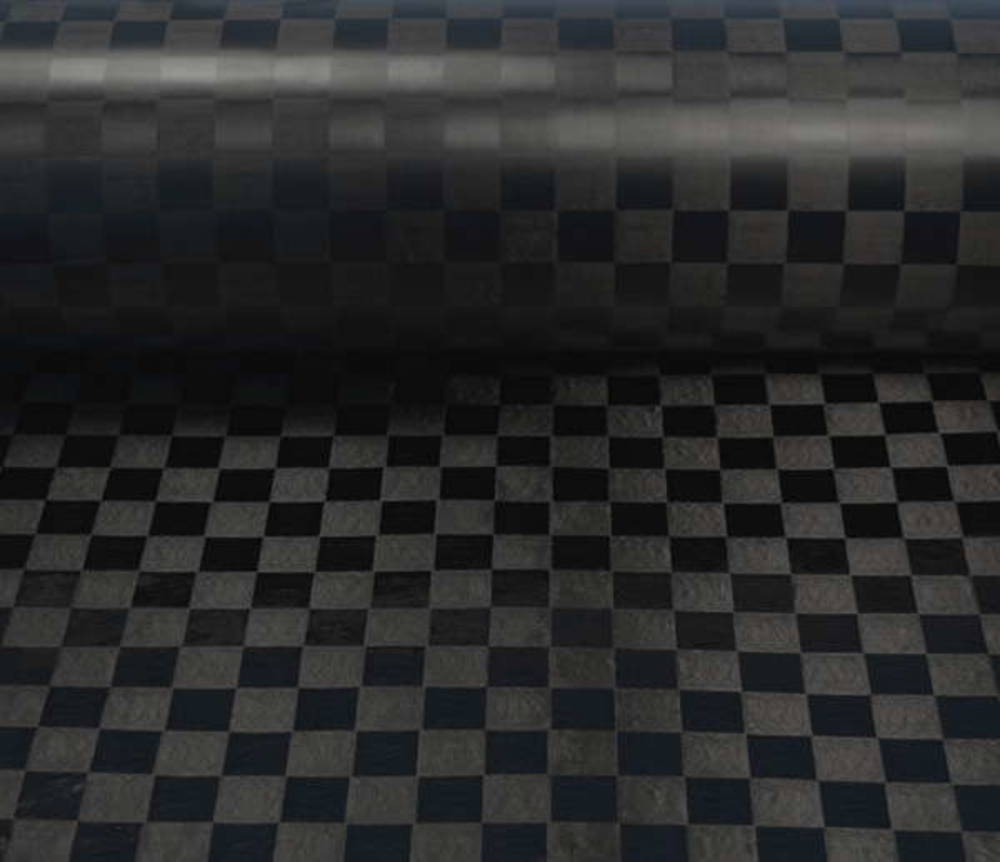
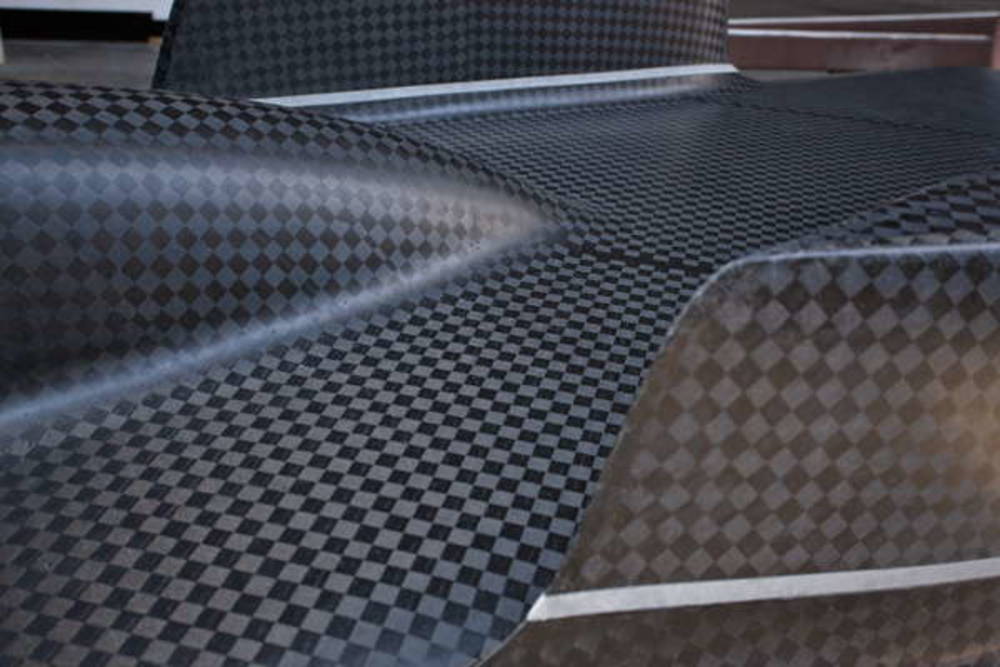
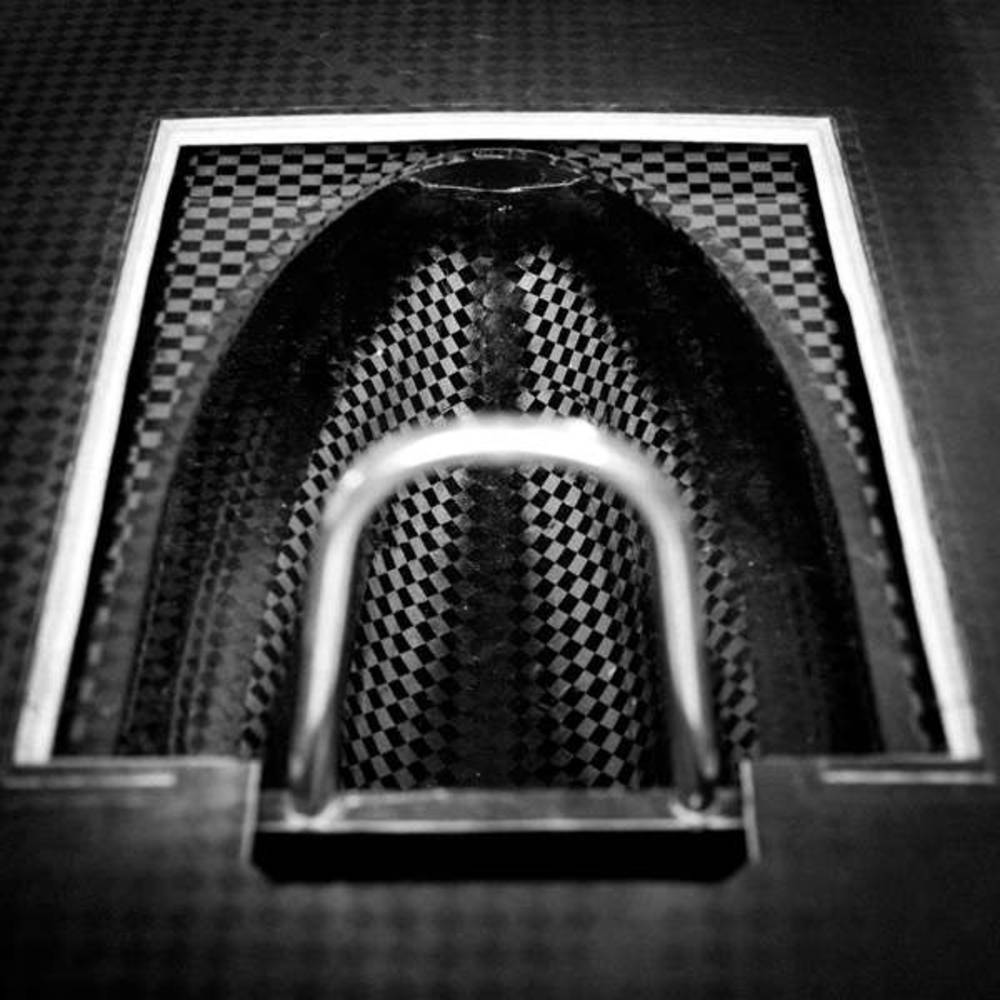
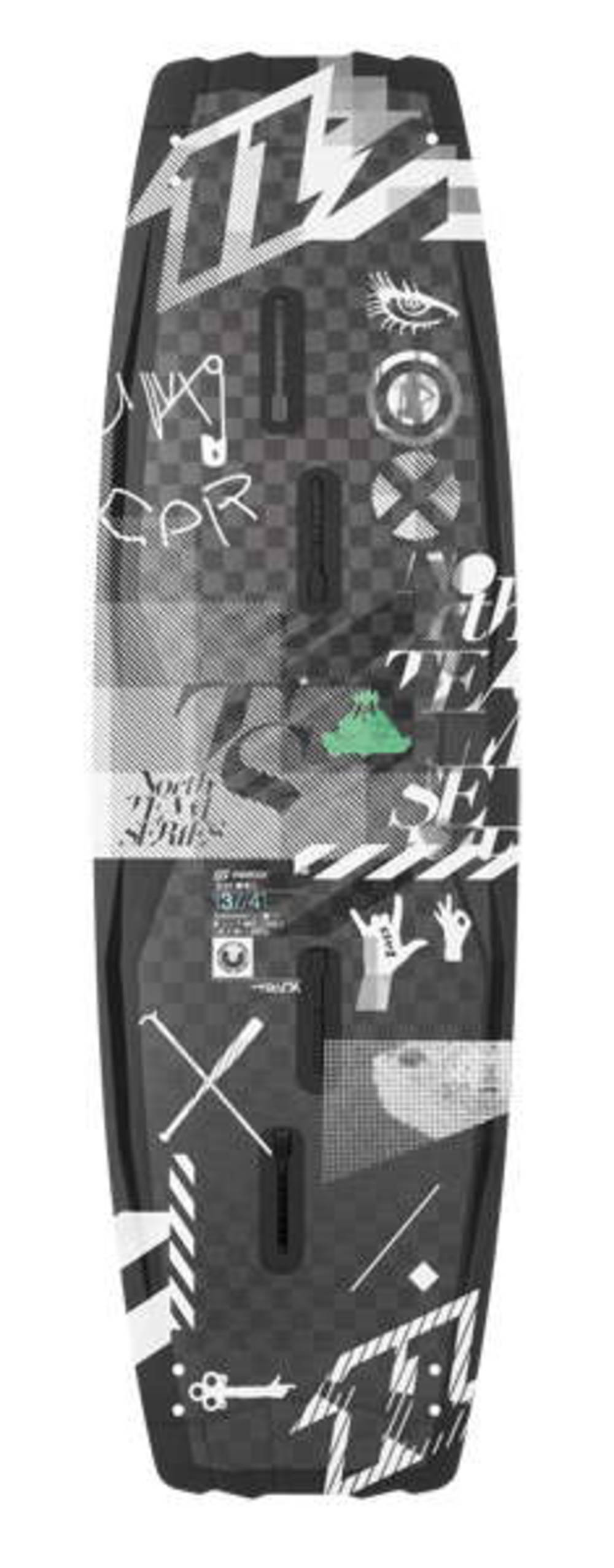
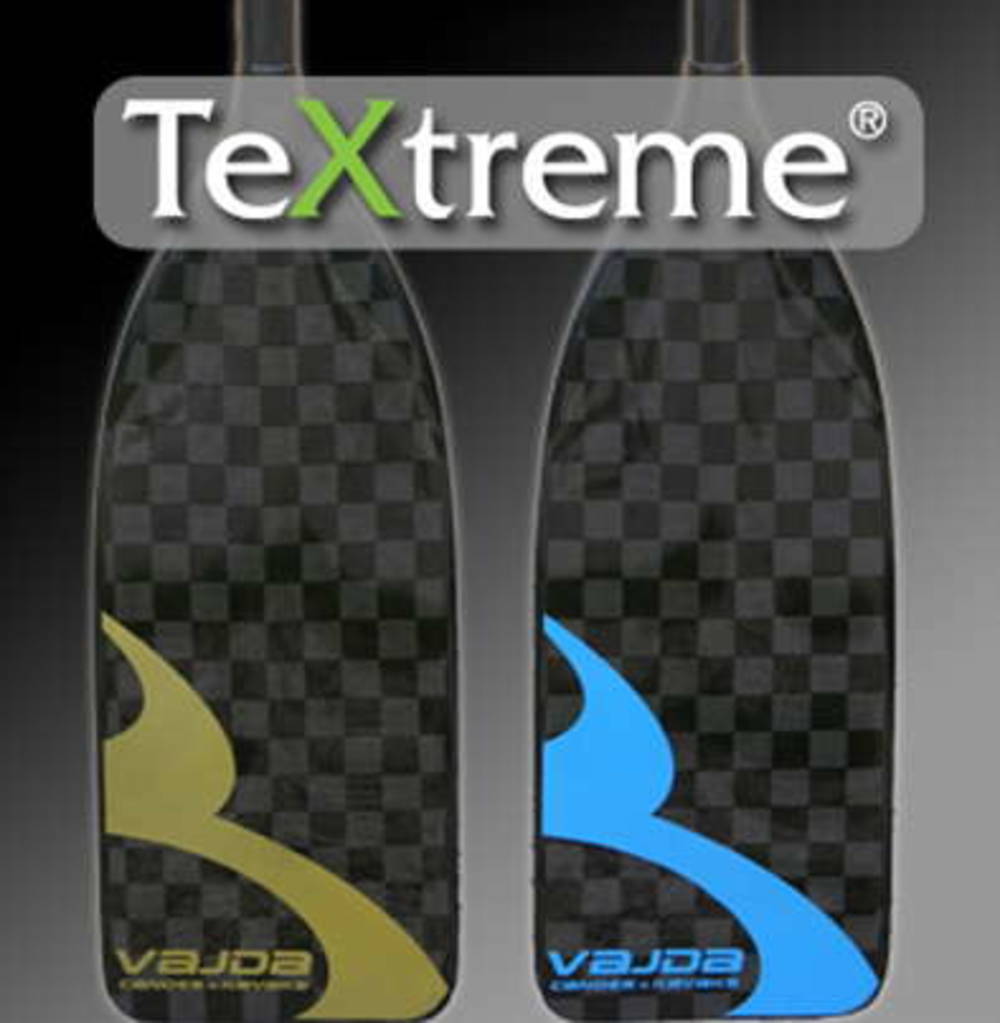
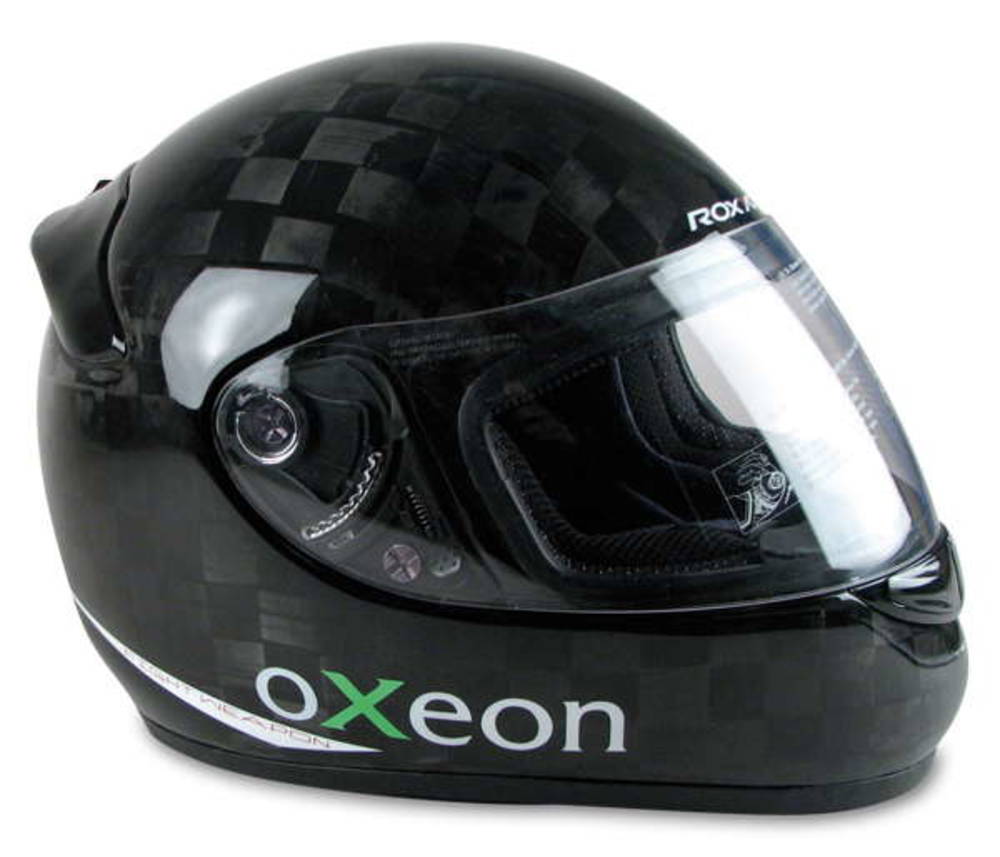
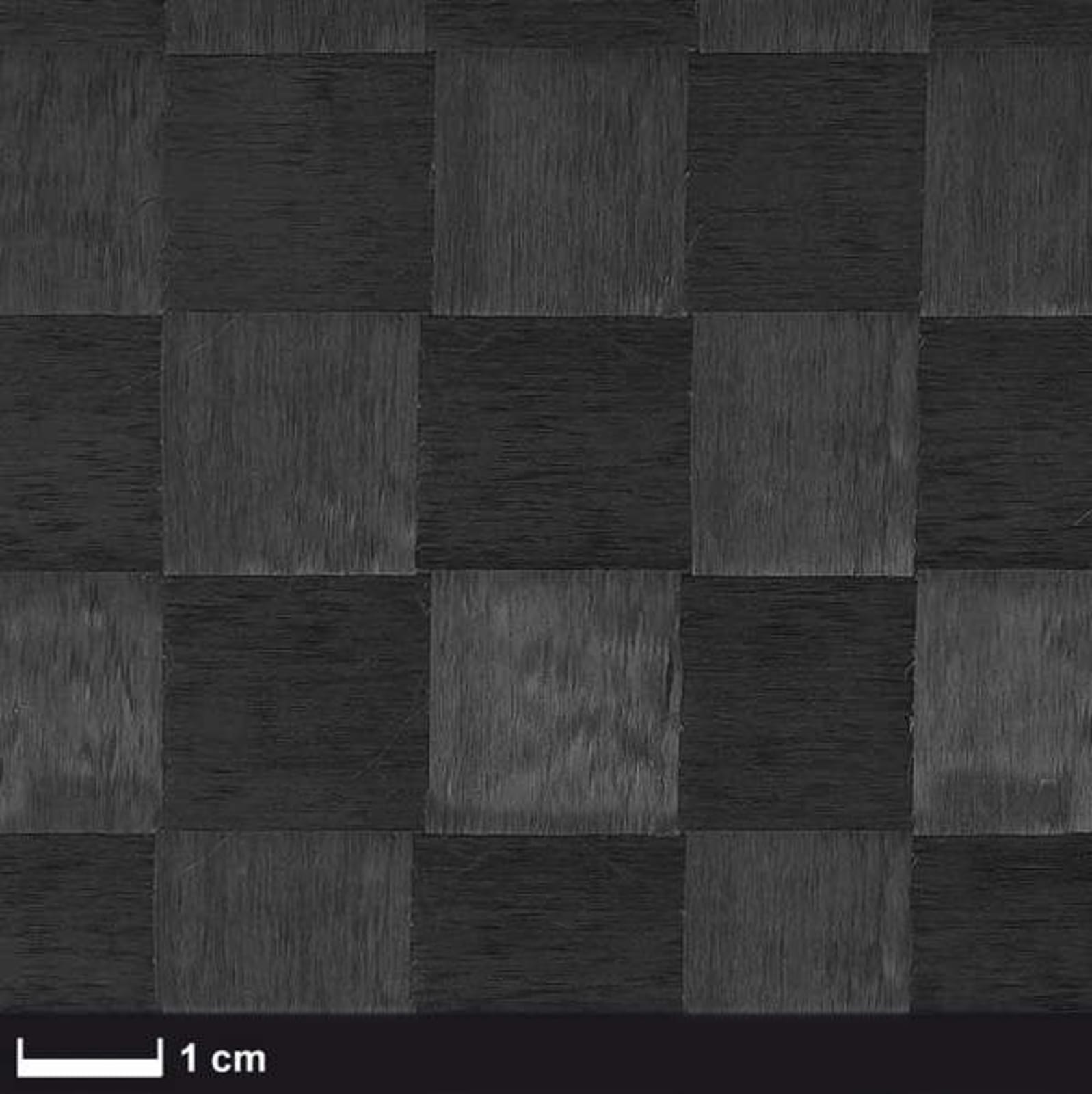
The distinctive wide-tape weave creates the characteristic TeXtreme® appearance for premium visible-carbon components.
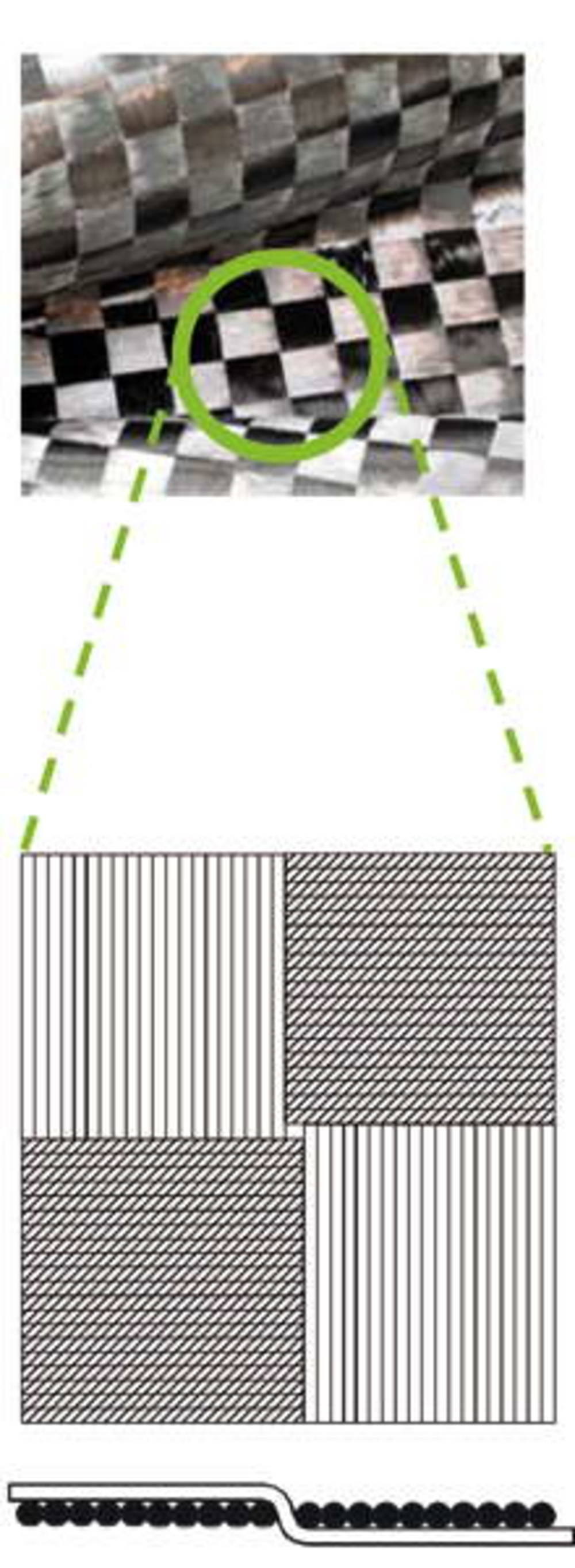
TeXtreme® is an exceptionally lightweight carbon fibre fabric made from high-strength HT carbon fibres (Tenax® UTS50). Unlike conventional carbon fabrics, the carbon fibre tows are spread into very flat, wide tapes and subsequently woven in a plain weave.
The flat weave architecture reduces fibre crimp at the yarn crossover points. This can improve fibre efficiency under mechanical loading and supports the production of thin, weight-optimised CFRP laminates. At the same time, spread-tow technology enables laminate constructions with fewer resin-rich areas.
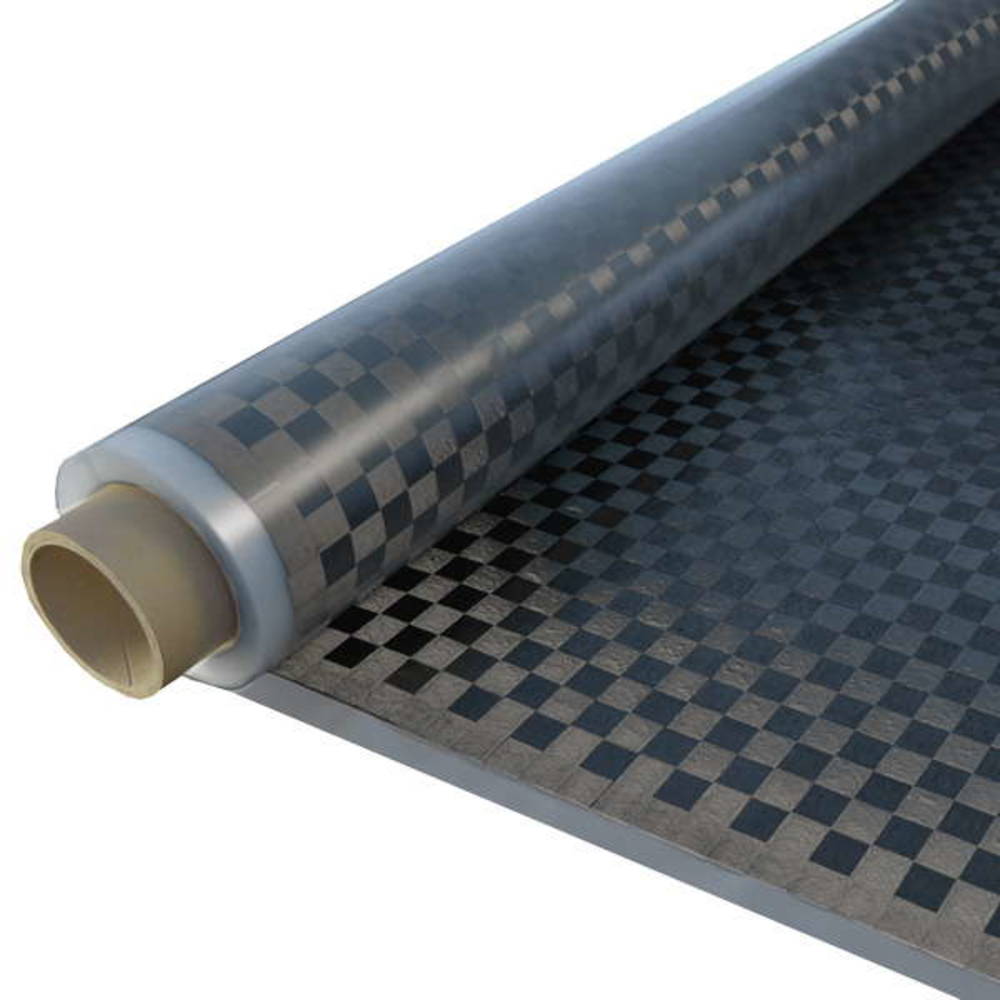
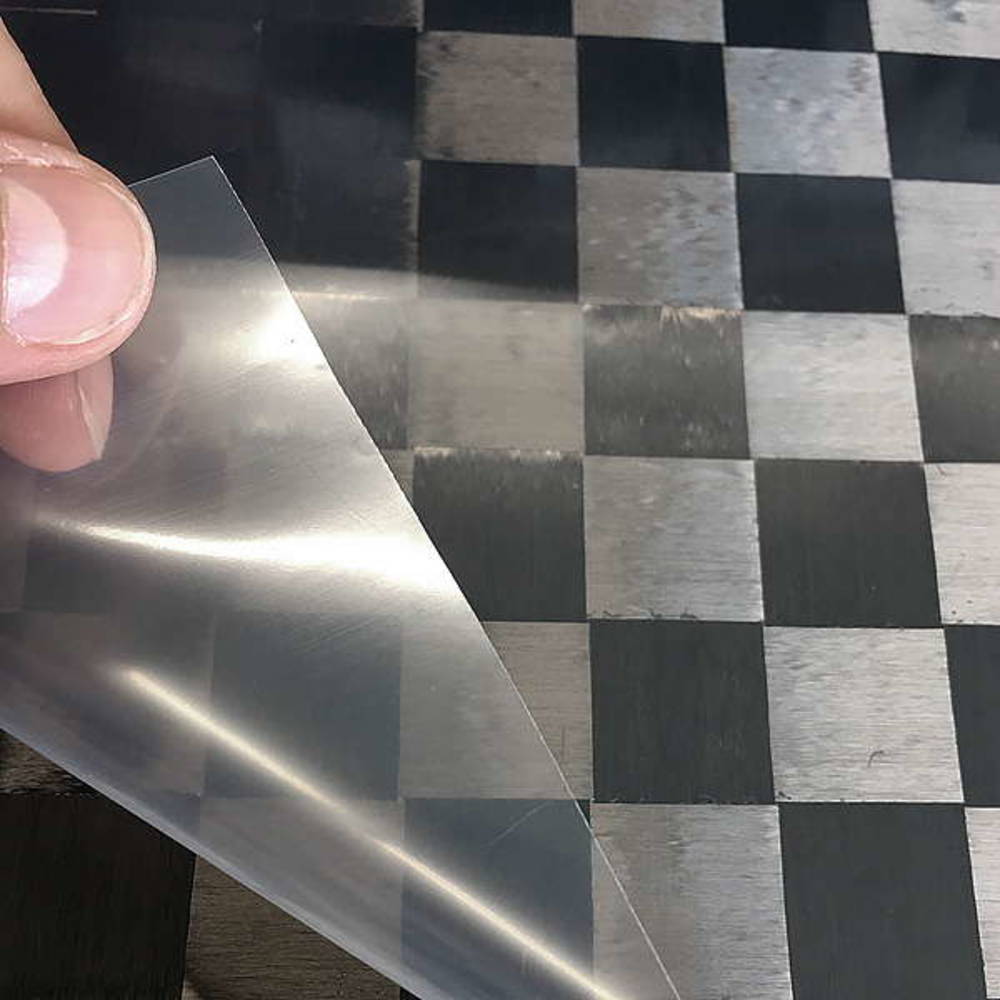
The 20 mm wide fibre tapes give the fabric its distinctive, large-scale carbon weave appearance. An epoxy-compatible binder stabilises the weave, making cutting, positioning and laying up individual plies easier.
Technical data
| Fibre type |
Carbon fibre, HT (High Tenacity) |
| Fibre grade |
Tenax® UTS50 12k, 800 tex |
| Technology |
Spread Tow Fabric (STF) |
| Weave |
Plain weave |
| Fibre areal weight |
80 g/m² |
| Additional binder weight |
approx. 10 g/m² |
| Fabric width |
100 cm |
| Spread tow width |
20 mm |
| Stabilisation |
Epoxy binder, softening from approx. 18 °C |
Calculated laminate properties
The following figures refer to one fabric ply at an assumed fibre volume fraction of 35%. They provide an approximate basis for estimating resin consumption, laminate thickness and finished laminate weight.
| Fibre volume fraction |
35 % |
| Resin consumption |
approx. 96 g/m² |
| Laminate thickness per ply |
approx. 0.13 mm |
| Laminate areal weight per ply |
approx. 176 g/m² |
These figures are calculated estimates, not measured component properties. Actual results depend on factors including the resin system, processing method and fibre compaction. The additional binder weight of approx. 10 g/m² is not included in the stated laminate figures.
For customised laminate constructions, use the R&G Laminate Calculator.
Comparison of carbon fibres used in TeXtreme® fabrics
TeXtreme® fabrics are manufactured with different carbon fibre grades. The table below compares high-tenacity (HT), intermediate-modulus (IM) and high-modulus (HM) fibres in terms of tensile strength, stiffness, elongation at break and density.
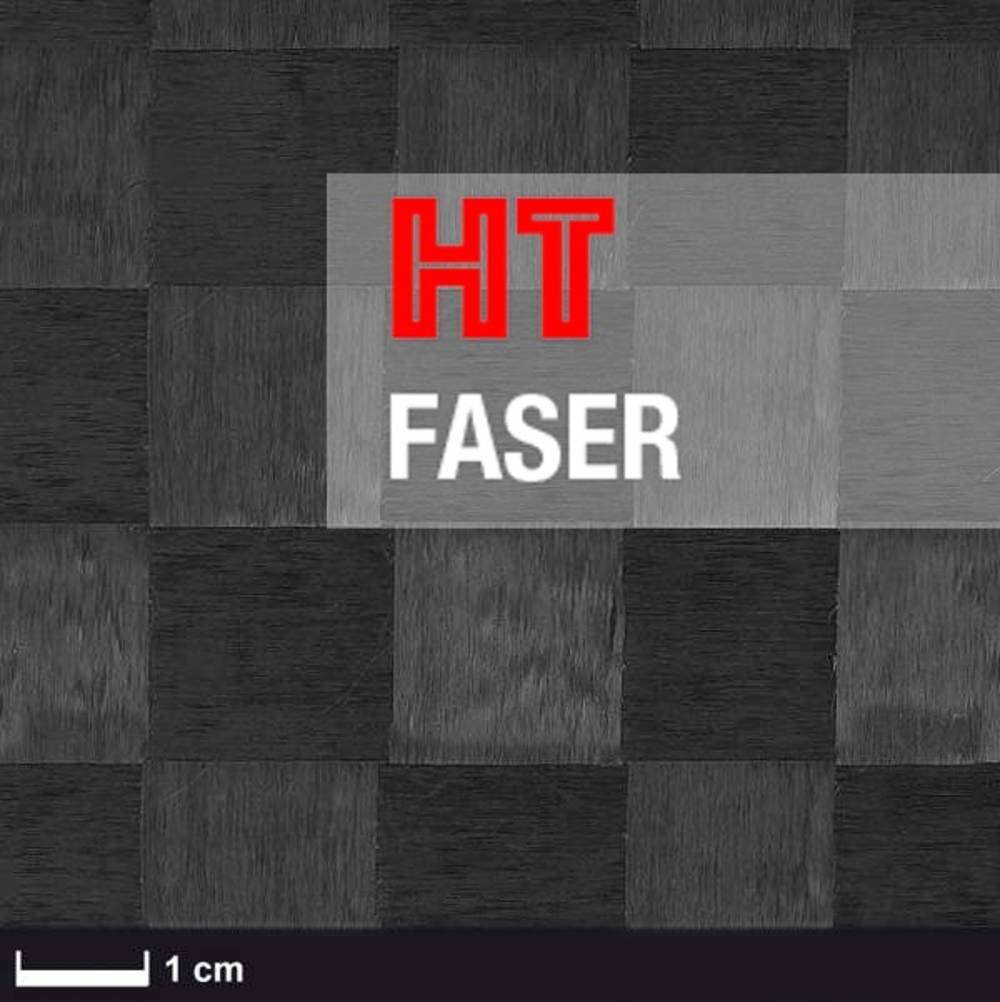
The TeXtreme® 80 g/m² carbon fabric offered here uses Tenax® UTS50 HT fibre (column highlighted in red). The other fibre grades are shown for technical comparison with alternative TeXtreme® fabrics.
| Property |
TeXtreme® HT
This fabric |
TeXtreme® IM |
TeXtreme® IM |
TeXtreme® HM |
| Fibre grade |
Tenax® UTS50 12k, 800 tex |
Torayca® M30SC 18K 50C, 761 tex |
Tenax® IMS65 24k, 830 tex |
Pyrofil™ HS40 12k, 430 tex |
| Tensile strength (MPa) |
4,800 |
5,490 |
6,000 |
4,610 |
| Tensile modulus (GPa) |
240 |
294 |
290 |
455 |
| Elongation at break (%) |
2.0 |
1.9 |
1.9 |
1.0 |
| Density (g/cm³) |
1.79 |
1.93 |
1.78 |
1.85 |
The figures describe the properties of the individual carbon fibres, not the mechanical properties of a cured CFRP laminate. Laminate performance also depends on fibre orientation, fibre volume fraction, resin system and manufacturing process.
Further technical information is available in the R&G Carbon Fibre Comparison.
Benefits of spread-tow technology
Low component weight: The flat weave architecture reduces fibre crimp and can minimise resin-rich areas. According to the manufacturer, weight savings of 20% or more compared with conventional fabrics are possible in suitably optimised designs. Actual savings depend on component design, laminate lay-up and manufacturing method.
Thin laminates: The low fibre areal weight allows thin CFRP plies to be built up in a controlled manner. This is particularly useful for lightweight shells, covers and weight-optimised sandwich structures.
Efficient fibre utilisation: The flat spread tows reduce fibre deflection at yarn crossover points. This can improve the mechanical performance of appropriately designed laminates. The achievable strength and stiffness depend on the complete laminate lay-up.
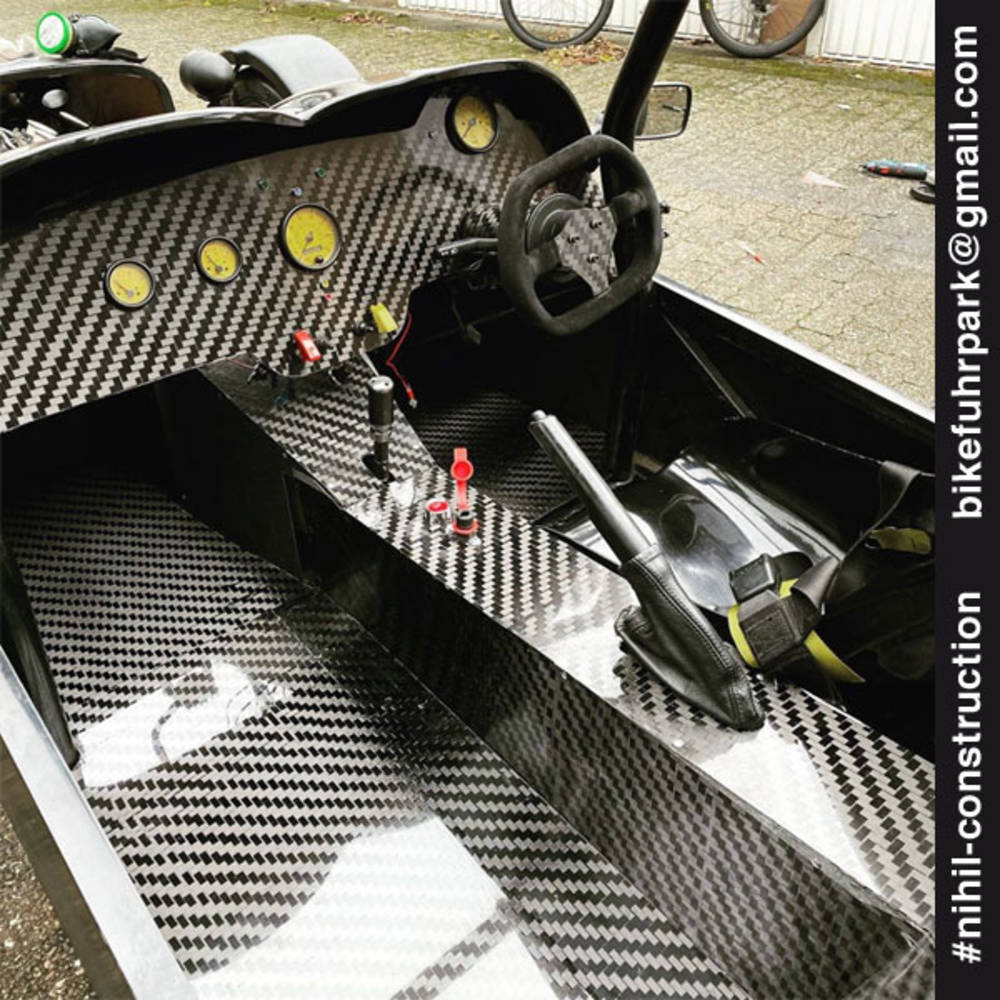
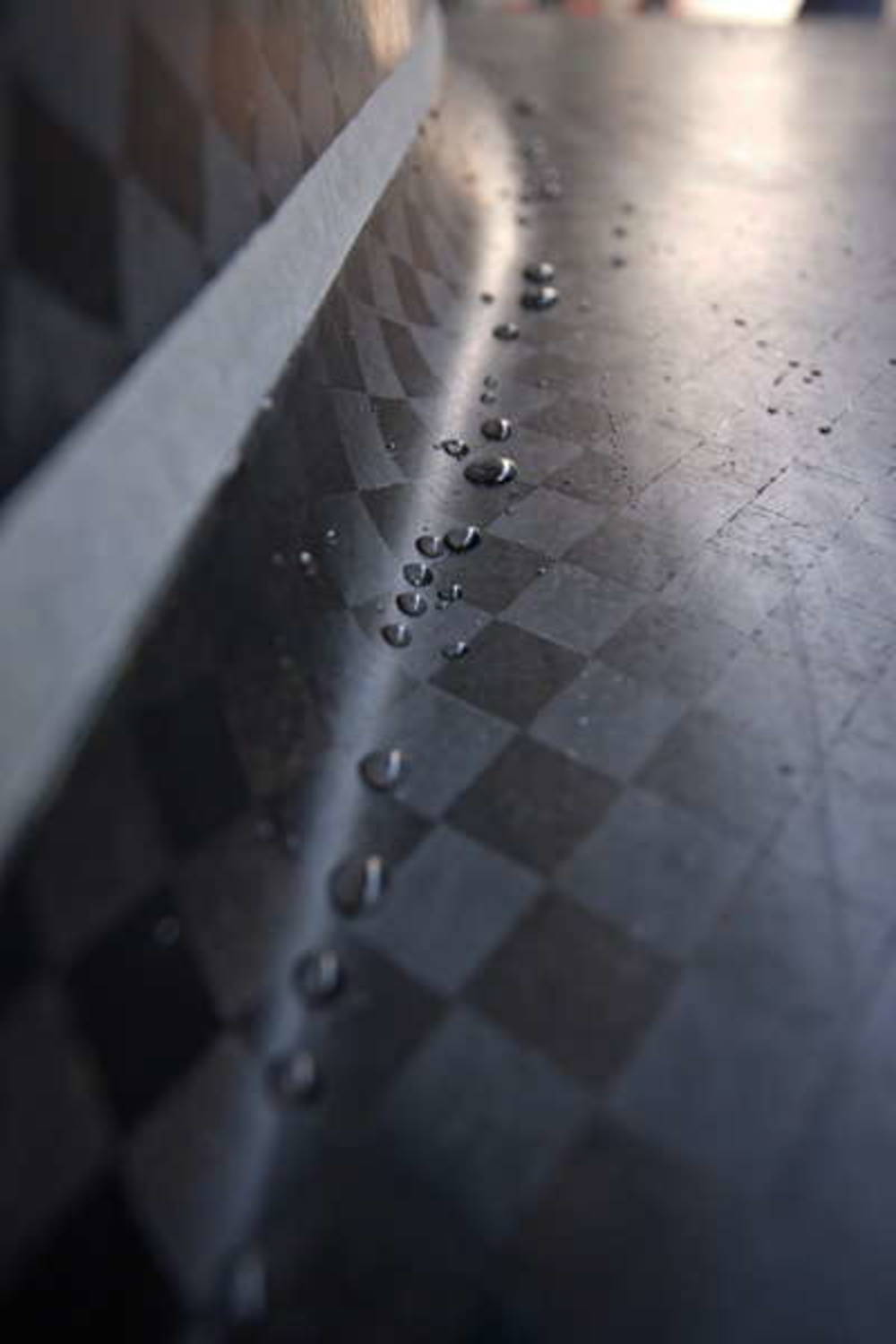
Premium visible-carbon surfaces: The 20 mm wide tapes create a uniform, distinctive large-scale carbon weave pattern. TeXtreme® is therefore particularly suitable for premium visible-carbon components and demanding design applications.
Easy handling: The stabilised weave makes the fabric easier to cut, position and lay up. The flat construction supports consistent ply placement and helps prevent unintended displacement of individual fibre tapes.
Applications
TeXtreme® 80 g/m² is particularly suited to components where low weight, minimal laminate thickness and a premium surface appearance are priorities.
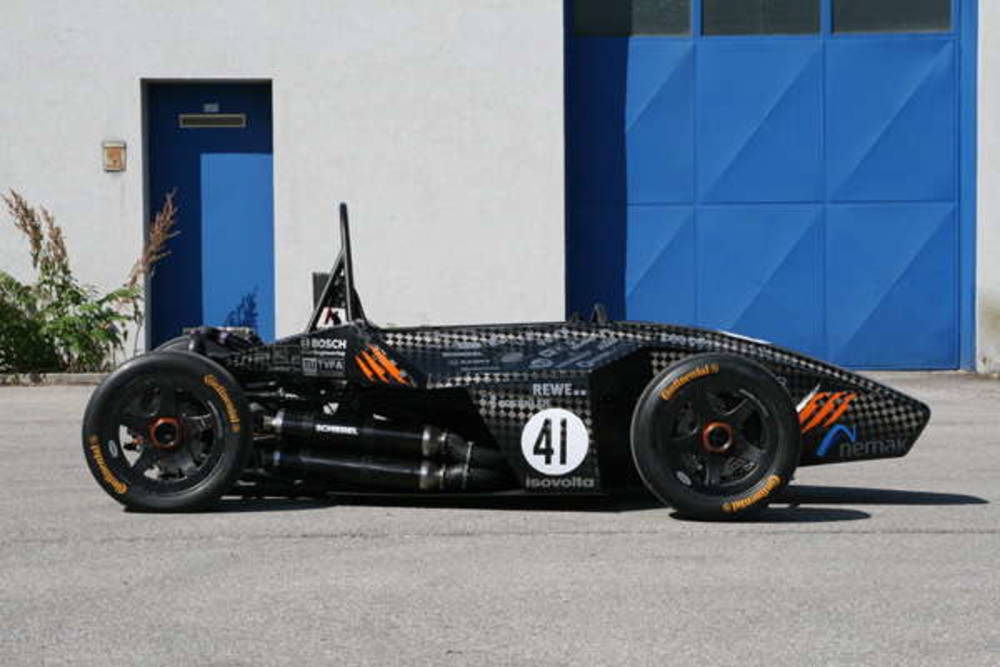
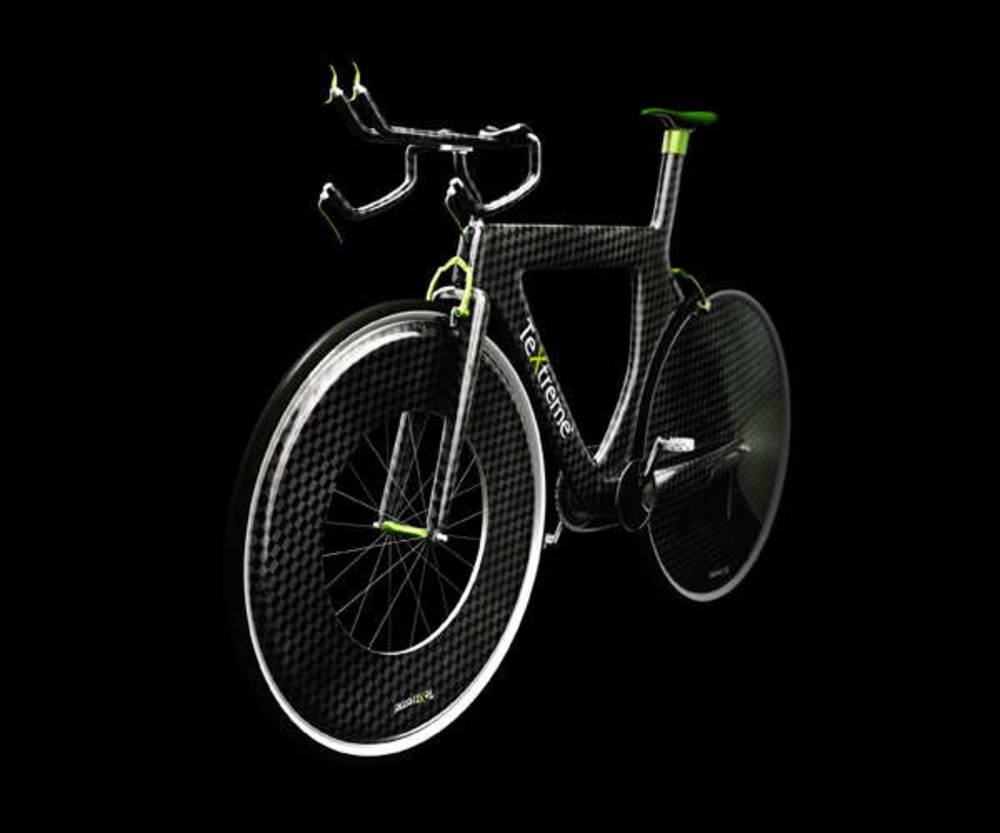
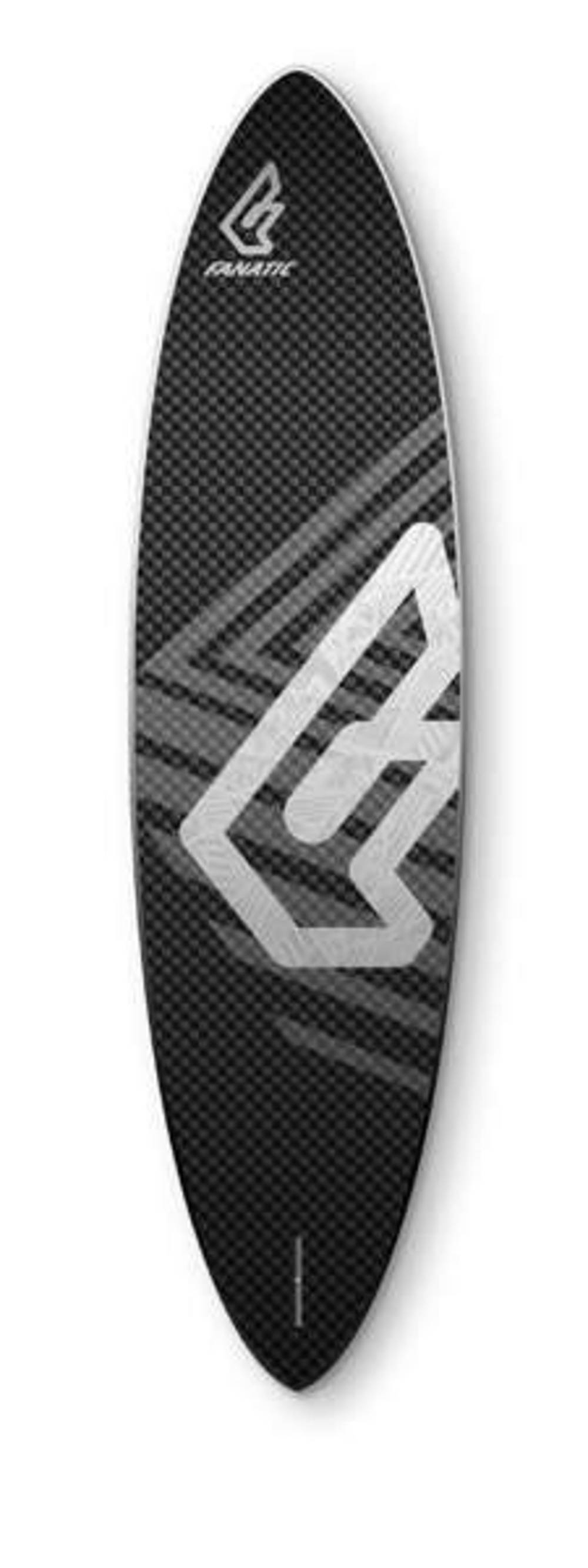
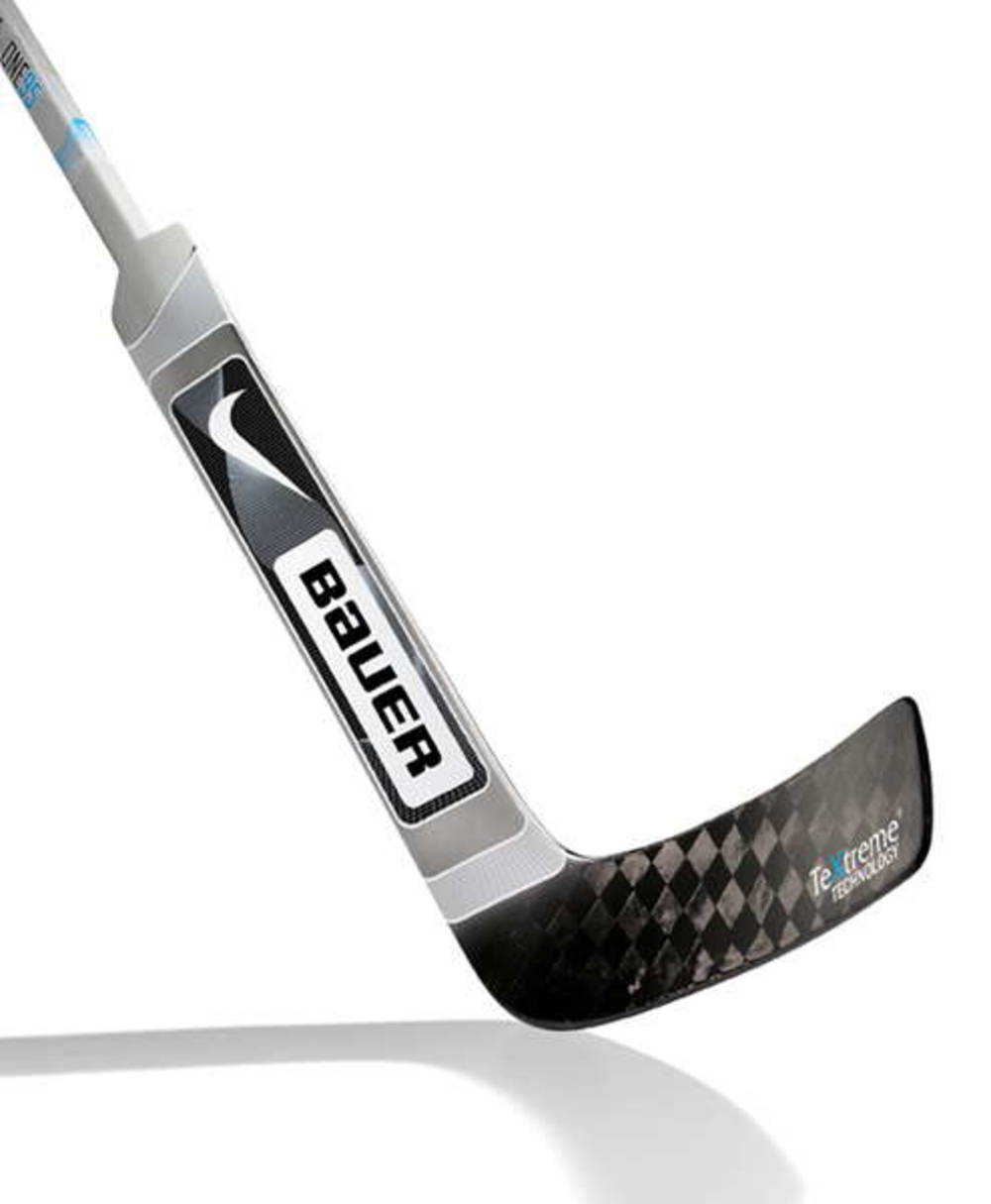
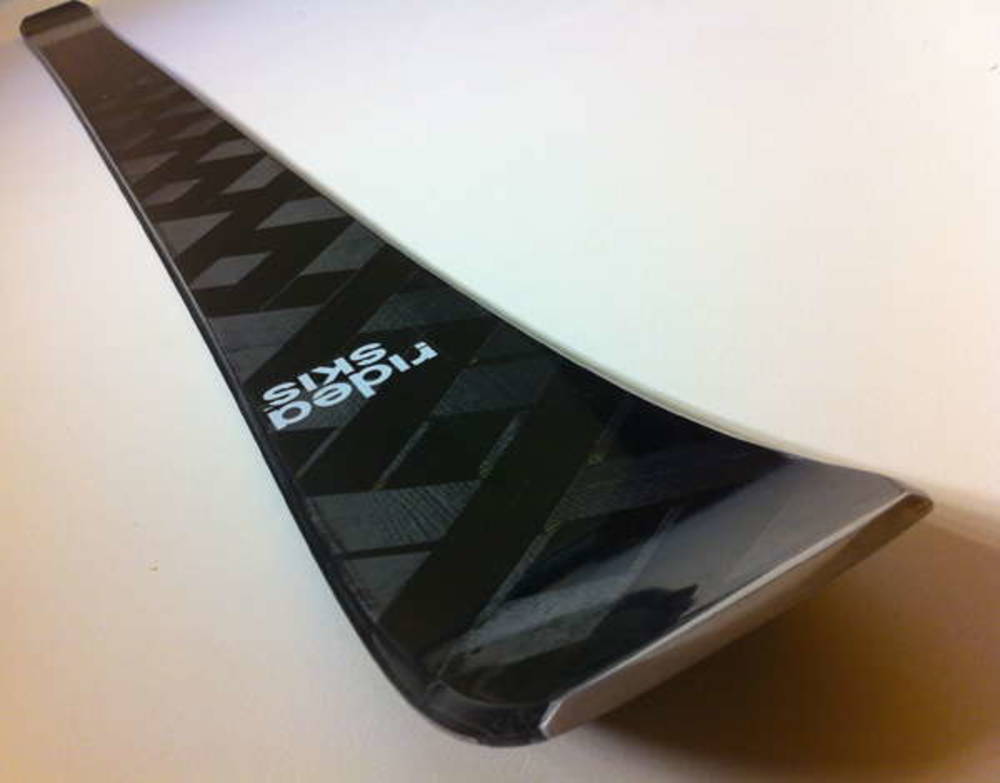
Typical applications include lightweight sports equipment, model making, motorsport, visible-carbon covers, design components, and weight-optimised shell and sandwich structures. The fabric can also be used as the outer cosmetic ply of multi-ply CFRP laminates.
For highly loaded structural components, the required strength and stiffness must be demonstrated through appropriate laminate design and, where necessary, component testing.
Suitable resin systems and processing
The fabric is suitable for processing with compatible epoxy resin systems. Complete fibre wet-out and controlled resin content are essential for producing a laminate with the lowest practical weight.
The low fibre crimp and flat weave provide favourable conditions for thin, uniform laminate plies. The epoxy binder stabilises the fabric and improves handling during cutting and positioning.
Avoid shifting the wide fibre tapes when laying up. For complex, strongly double-curved mould surfaces, check drapability in advance: the 20 mm tapes may limit conformity around tight radii and pronounced contours.
According to the manufacturer, the epoxy binder begins to soften at approximately 18 °C, supporting handling at room temperature.
For reproducible results, follow the processing instructions for the selected resin system and the fabric manufacturer’s recommendations.
Frequently asked questions
How does TeXtreme® differ from conventional carbon fibre fabrics?
In TeXtreme® fabrics, the fibre tows are spread into flat tapes. This reduces fibre crimp and creates a particularly flat fabric architecture, allowing thin, weight-optimised laminates with a distinctive carbon appearance.
Is a TeXtreme® laminate always 20% lighter?
No. The weight reduction cited by the manufacturer is an application-dependent potential benefit. The reference construction, required mechanical performance and manufacturing process are decisive. A universal weight reduction cannot be assumed.
Is the fabric suitable for visible-carbon components?
Yes. The 20 mm wide tapes create the characteristic TeXtreme® appearance. The achievable surface quality also depends on the mould surface, resin system, processing conditions and surface finish.
Why compare HT, IM and HM fibres?
These fibre grades differ primarily in tensile strength, stiffness and elongation at break. HT fibres offer high tensile strength with a comparatively moderate tensile modulus, whereas IM and HM fibres offer higher stiffness. Selection depends on the mechanical requirements of the component.
When is TeXtreme® worth choosing over a lower-cost carbon fabric?
It is particularly worthwhile when low component weight, minimal laminate thickness, an optimised structural design or the characteristic spread-tow appearance provides a tangible functional or aesthetic benefit. For straightforward laminating work without demanding weight or surface requirements, a conventional carbon fabric may be the more economical option.
















 MSDS TeXtreme® (PDF)