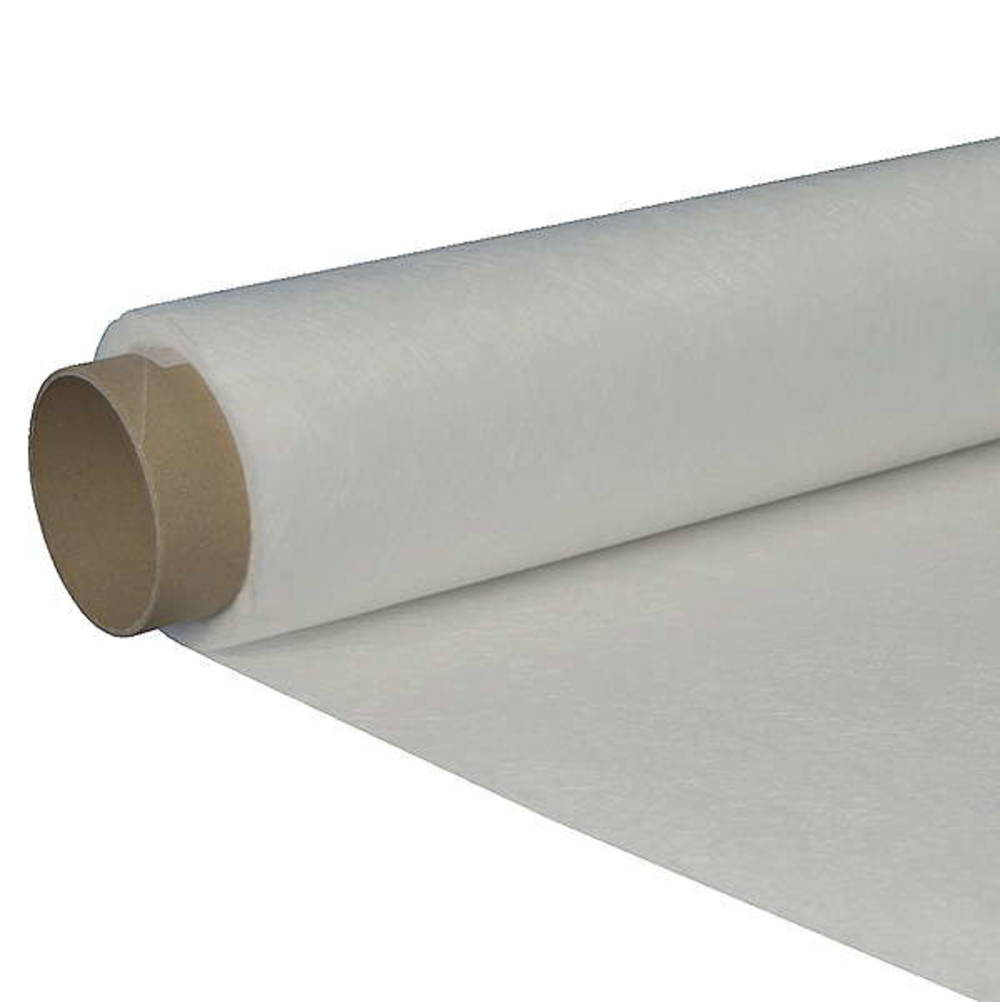
Glass non-woven 30 g/m², width 100 cm
USA: width 39.37", weight 0.9 oz/yd²
For High-Quality Composite Surfaces
The 30 g/m² surface tissue made from C-glass fibers significantly improves the surface quality of composite components.
It reduces print-through of glass fabrics and stitched reinforcements while promoting uniform resin distribution, helping to minimize finishing work.
Suitable for processing with epoxy, polyester and vinyl ester resins.
Ideal for mold making, boat building, automotive applications and numerous other composite manufacturing processes.
Product Description
A high-quality surface is a key characteristic of premium composite components. The 30 g/m² surface tissue made from fine C-glass fibers produces a smooth and uniform laminate surface.
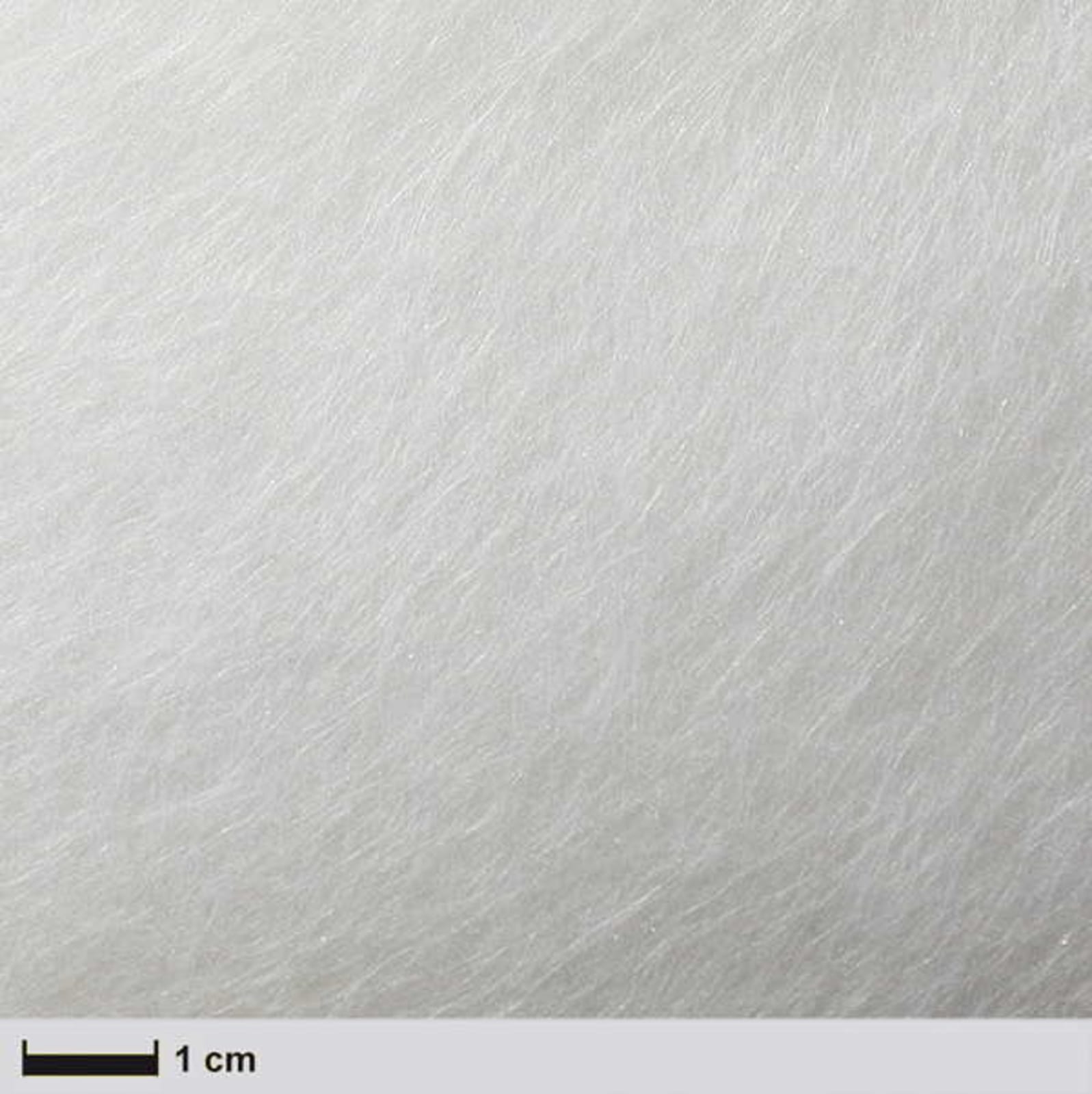
Its fine random fiber structure reduces print-through of glass fabrics and stitched reinforcements while promoting uniform resin distribution within the surface layer of the laminate.
The result is a high-quality finish requiring less sanding, filling and painting. In addition, the surface tissue improves abrasion resistance and increases the durability of the laminate surface against minor mechanical wear.
The surface tissue is suitable for processing with epoxy, polyester and vinyl ester resins. It can be used in hand lay-up, vacuum processing and a wide range of other composite manufacturing processes.
Benefits
- Produces smooth, high-quality laminate surfaces.
- Reduces print-through of glass fabrics and stitched reinforcements.
- Promotes uniform resin distribution.
- May reduce sanding, filling and finishing work.
- Improves surface abrasion resistance.
- Suitable for epoxy, polyester and vinyl ester resin systems.
- Compatible with hand lay-up, vacuum processing and other composite manufacturing methods.
Typical Applications
The surface tissue is used wherever smooth, high-quality laminate surfaces are required.
- Mold and tool making
- Boat and yacht building
- Automotive and motorsport applications
- Mechanical and industrial engineering
- Technical composite components
- Wind energy applications
- Repair and surface enhancement of existing laminates
Processing
The surface tissue is incorporated into the surface layer of the laminate and fully impregnated with resin. This creates a fine, uniform layer that reduces print-through of the underlying reinforcement fibers and enhances the surface finish.
The tissue is suitable for use with epoxy, polyester and vinyl ester resins. It can be processed by hand lay-up, vacuum techniques and other composite manufacturing methods.
In hand lay-up applications, a typical fiber volume content of approximately 10–20% is achieved.
Technical Data
| Material | C-glass fibers |
| Fiber structure | Random fiber structure |
| Areal weight | 30 g/m² |
| Width | 100 cm |
| Thickness | Approx. 0.30 mm |
| Maximum tensile strength (machine direction) | 35 N / 50 mm |
| Maximum tensile strength (cross direction) | 20 N / 50 mm |
| Elongation at maximum tensile strength | Approx. 1% |
| Typical resin consumption | 50–120 g/m², depending on the application |
Technical Notes
- Suitable for processing with epoxy, polyester and vinyl ester resins.
- Improves the surface quality of composite laminates.
- Reduces print-through of glass fabrics and stitched reinforcements.
- May reduce sanding and finishing work.
- Intended exclusively for composite manufacturing applications.
- Not intended for painting, decorating or renovation applications.












 MSDS Glass fabric, tapes, braided sleeves, rovings, yarns, chopped strands (PDF)